Warehouse Water Damage Cleanup Anchorage, AK
Rapid Industrial Drying and Asset Protection for Large-Scale Facilities
When a pipe bursts or a roof drain fails in an Anchorage warehouse, the sheer volume of water can feel overwhelming. You aren't just dealing with a few wet carpets; you're looking at thousands of square feet of concrete slab and racking systems that can wick moisture upward. In our subarctic climate, you can't just open the bay doors and hope for the best. The cold, dry air outside won't do the heavy lifting required for deep structural drying. You need a response that matches the industrial scale of your facility to prevent long-term structural issues.
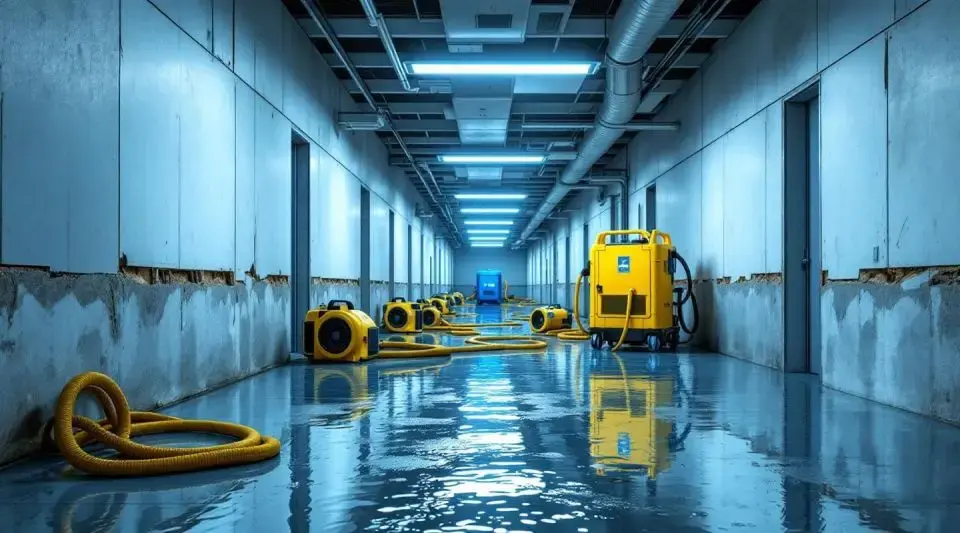
Our approach to commercial water extraction focuses on stabilizing the environment before mold can take hold, which often happens within 24 to 48 hours. We deploy high-capacity desiccant dehumidifiers and industrial air movers to manage the specific challenges of warehouse floor drying. Because concrete is porous, it acts like a sponge, holding onto moisture that can later cause secondary corrosion to your fleet or inventory. By using advanced thermal imaging inspection and moisture mapping, our team of experienced technicians identifies exactly where the water is hiding, even behind industrial insulation or under heavy equipment.
We understand that for a facility manager, every hour of operational downtime is a direct hit to the bottom line. Whether it's a sewage backup from a failed main or a fire suppression system activation, our priority is containment. We use heavy-duty containment barriers to isolate the affected bays, allowing your loading docks and distribution lines to remain operational whenever possible. This isn't just about sucking up standing water; it's about protecting your assets and providing the detailed documentation your insurance adjuster requires to move the claim forward without unnecessary friction.
Our licensed operators handle warehouse water damage cleanup with upfront pricing, fully insured equipment, and 24/7 availability throughout Anchorage, AK.
Warehouse Water Damage Cleanup Anchorage, AK
Protecting Your Inventory and Operational Continuity
When your facility faces a sudden flood, the primary benefit of professional Warehouse Water Damage Cleanup is the aggressive mitigation of downtime. In Anchorage, where freeze-thaw cycles often lead to burst pipes in uninsulated bays, standing water can quickly seep into racking systems and compromise the integrity of your inventory. We don't just pump out water; we perform precision moisture mapping to identify exactly where liquid has migrated behind wall cavities or under heavy machinery. By initiating commercial water extraction within hours, you prevent the wicking action that turns a minor leak into a total loss of stored goods.
Beyond the immediate cleanup, our experienced technicians focus on the deep-seated moisture that standard shop-vacs simply cannot reach. Industrial dehumidification is essential for concrete slab drying, as porous floors can hold onto water for weeks, eventually leading to secondary corrosion of fleet vehicles or equipment. Using desiccant dehumidifiers ensures that the relative humidity remains low enough to stop mold in its tracks, even in the dampest Alaska seasons. This scientific approach to structural drying protects your long-term property value and ensures your facility remains compliant with OSHA safety standards for your crew.
-
Rapid deployment of high-capacity desiccant dehumidifiers to stabilize humidity levels.
-
Detailed moisture mapping to track water migration through porous concrete slabs.
-
Professional inventory damage assessment to help document losses for insurance adjusters.
-
Strategic air mover placement to accelerate evaporation in large-volume industrial spaces.
-
Application of EPA-registered antimicrobial treatments to prevent mold growth in wall cavities.
Warehouse Water Damage Cleanup Anchorage, AK
Why Choose AKF Restorations for Warehouse Water Damage Cleanup
AKF Restorations combines local knowledge, modern equipment, and honest communication for every warehouse water damage cleanup call.
LOCALLY OWNED & OPERATED
Dispatchers and drivers who know your community.
GPS-TRACKED FLEET
Real-time ETAs and the closest available truck.
LICENSED PROFESSIONALS
Fully insured operators trained for safe recovery.
UPFRONT PRICING: Clear quotes before our truck rolls
no surprise fees.
Warehouse Water Damage Cleanup Anchorage, AK
Common Questions About Warehouse Water Damage Cleanup
Warehouse Water Damage Cleanup Anchorage, AK
Warehouse Water Damage Cleanup
Ignoring even a seemingly minor water intrusion in an industrial setting is a high-stakes gamble with your facility's operational future. In the subarctic climate of Anchorage, moisture doesn't just evaporate on its own; it settles into porous concrete slabs and wicks up into drywall or insulation. If you don't initiate commercial water extraction within the first 24 to 48 hours, you are essentially inviting mold to colonize your inventory and racking systems. This isn't just about a wet floor; it's about preventing the Category 3 water intrusion from a burst pipe or roof drain failure from becoming a permanent structural liability.
Professional intervention ensures that every square foot of your facility is accounted for through meticulous moisture mapping and thermal imaging inspection. You might see a dry surface, but without industrial dehumidification, water remains trapped in the expansion joints of your warehouse floor or behind the base of heavy machinery. We follow the IICRC S500 standard to ensure that your property isn't just "dry to the touch" but scientifically stabilized. This level of precision is what separates a temporary fix from a professional restoration that satisfies both your insurance adjuster and your long-term safety requirements.
The cost of operational downtime often dwarfs the physical repair bill. When a loading dock floods or a fire suppression system accidentally triggers, your primary concern is getting your fleet and crew back to work. By using high-capacity desiccant dehumidifiers and strategic air mover placement, we accelerate the drying timeline far beyond what standard ventilation could achieve. Our experienced technicians provide the daily moisture logs and documentation necessary to prove the job was done right, protecting you from secondary corrosion or future mold claims that could shut down your operations months later.
Anchorage’s unique freeze-thaw cycles mean that plumbing runs in unheated bays are constantly at risk. When a pipe bursts in January, the subarctic air outside is too cold to help with evaporation, making mechanical drying non-negotiable. We understand the local building stock, including the risk of asbestos in older industrial parks, and we navigate the Municipality of Anchorage permitting process so you don't have to. Taking immediate action ensures your warehouse remains a functional asset rather than a source of environmental and financial stress.
Our Services
Commercial Water Damage Restoration
Our specialized team provides immediate 24/7 emergency response for San Diego commercial properties, utilizing advanced moisture detection and high-capacity extraction tools to eliminate standing water and prevent costly business interruptions.
View Service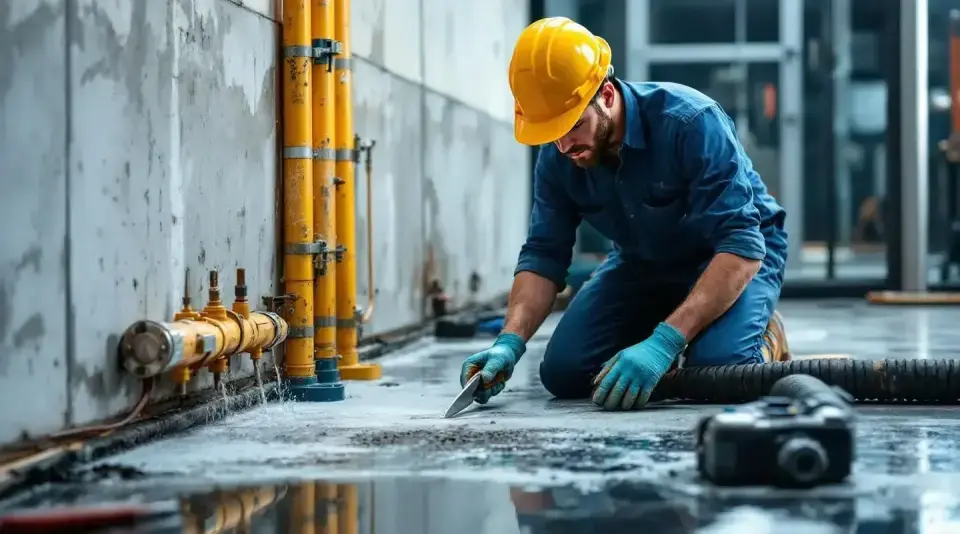
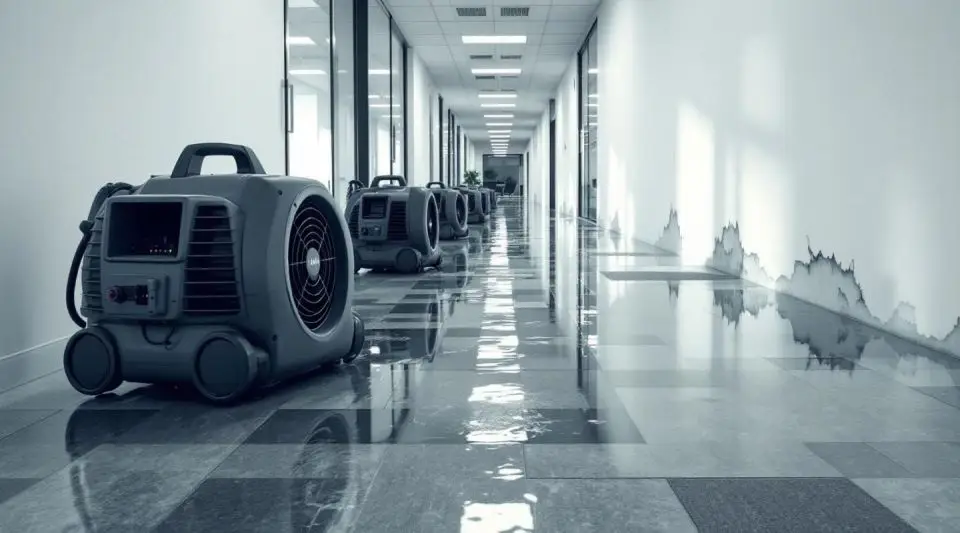
Office Building Flood Repair
When a main line bursts in a multi-story commercial property or a heavy spring snowmelt overwhelms your building envelope, the clock starts ticking against your bottom line.
View Service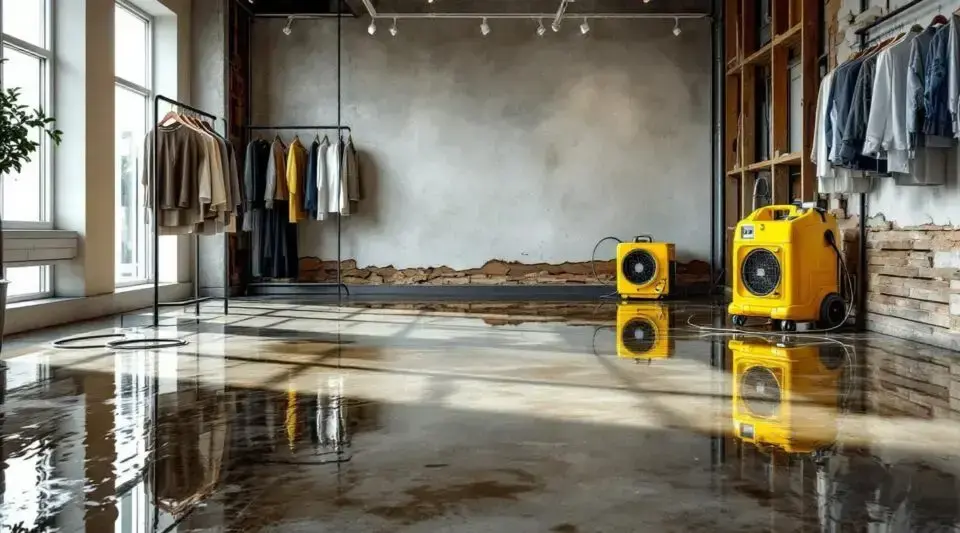
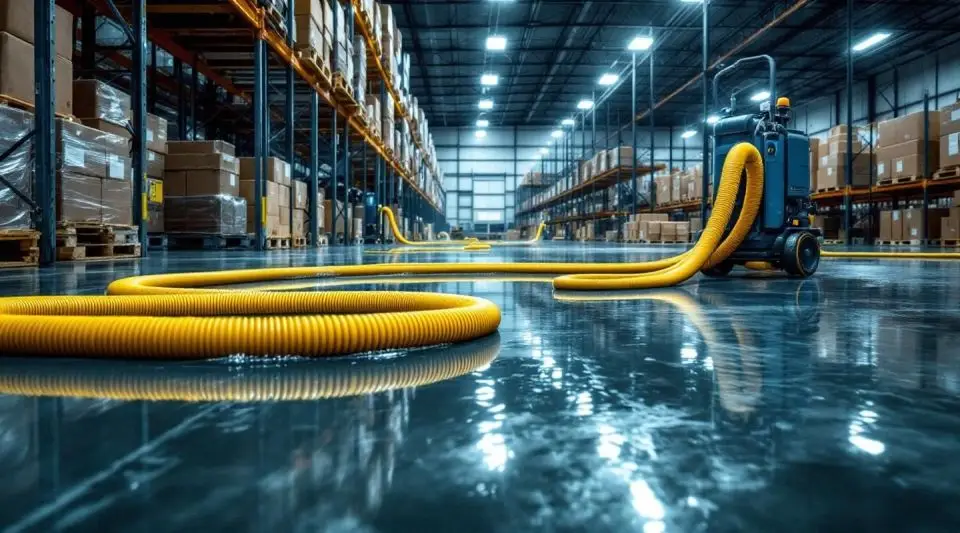
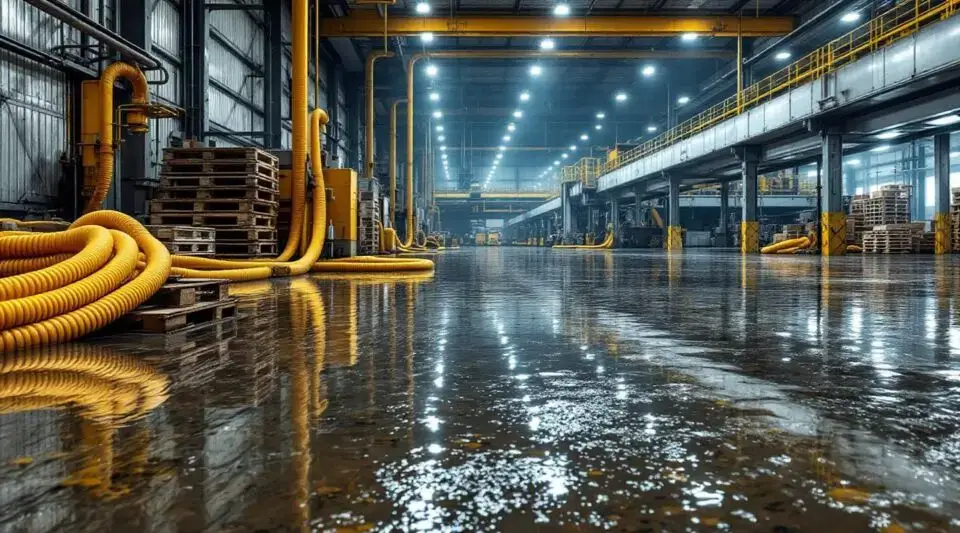
Warehouse Water Extraction
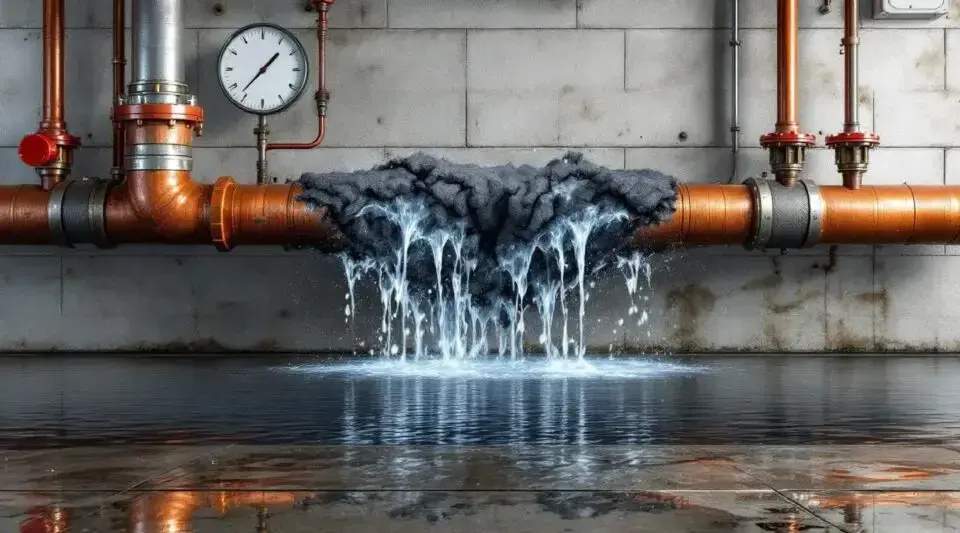
When a pipe bursts or a roof drain fails in a large-scale industrial facility, the clock starts ticking against your bottom line.
View ServiceGet Your Anchorage Warehouse Back Online Fast
When thousands of square feet of inventory or heavy machinery are at risk, every hour of standing water increases the likelihood of secondary corrosion or mold. You need a crew that understands the scale of industrial dehumidification and the urgency of your shipping deadlines. Don't let a burst pipe or roof leak stall your logistics; our experienced technicians are ready to deploy high-capacity desiccant dehumidifiers and commercial water extraction units to your facility immediately.
We focus on getting your concrete slab dry and your racking systems safe so you can resume operations in Anchorage without the fear of hidden moisture lingering under your pallets. Whether it is a seasonal freeze-thaw pipe burst or a loading dock flood, we provide the documentation your insurance adjuster requires to move the claim forward while you keep your fleet moving.
What They Say About Us:
The team arrived at my place near Kincaid Park quickly to handle the ceiling leak and wall damage. They were extremely thorough with their drying equipment and kept me informed throughout the entire process.
Leonor
Professional Warehouse Water Damage Cleanup for Ceiling LeaksTheir specialists reached our home in Rogers Park immediately to begin the water extraction and air drying process. This prompt action was essential in preventing our beautiful hardwood floors from sustaining permanent damage.
Kelley
Fast Warehouse Water Damage Cleanup for Hardwood FloorsIt was clear during the restoration near the U-Med District that these professionals possess deep knowledge regarding water damage. Their expertise in both cleaning and mold prevention made the entire recovery process feel very secure.
Ruth
Expert Warehouse Water Damage Cleanup and Mold RemediationAfter the heavy storm hit our neighborhood near Jewel Lake, these restoration experts restored our property quickly and efficiently. We were impressed by how fast they managed the repairs and got everything back to normal.
Iris
Reliable Warehouse Water Damage Cleanup After Storm DamageWhen a pipe burst in our South Addition home, the crew arrived fast to start the emergency water removal. They handled the drying perfectly to prevent mold and even helped coordinate the plumbing repairs during a stressful time.
Donna
Emergency Warehouse Water Damage Cleanup and Pipe Repair